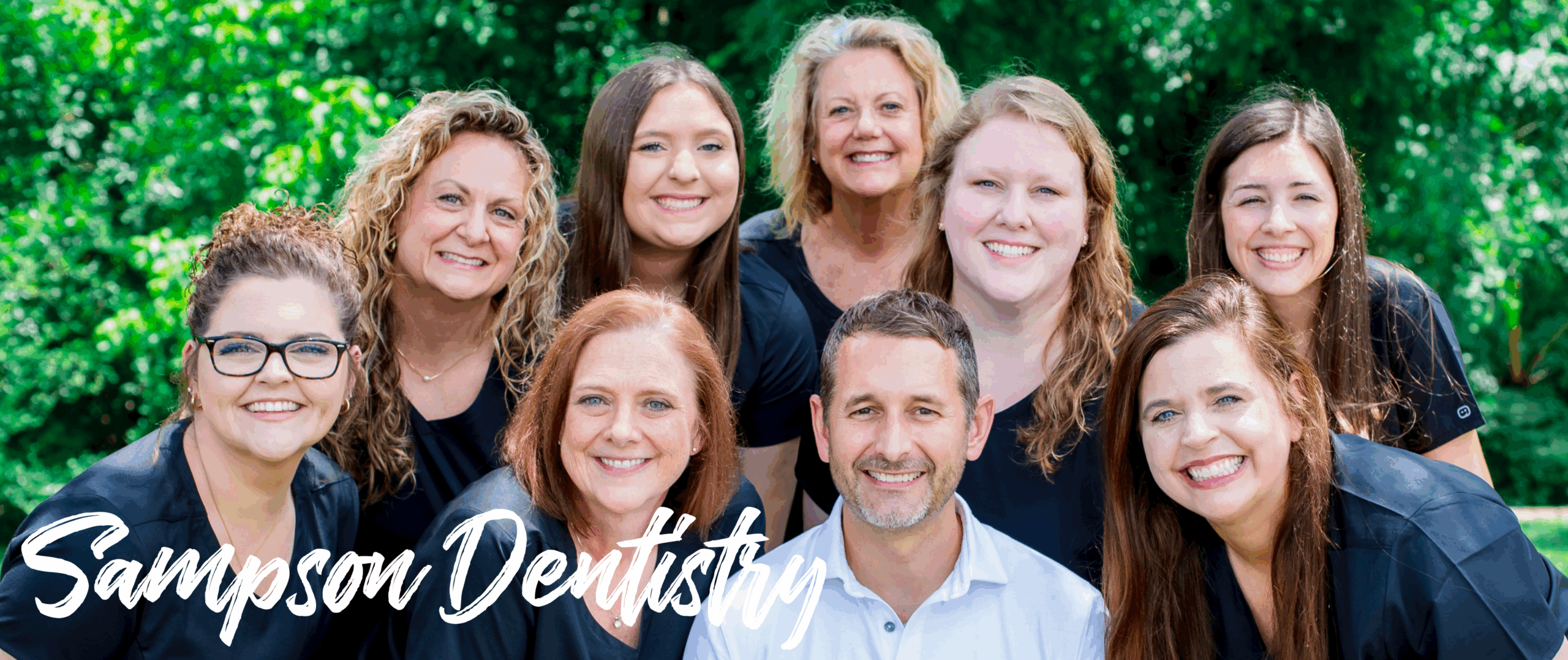


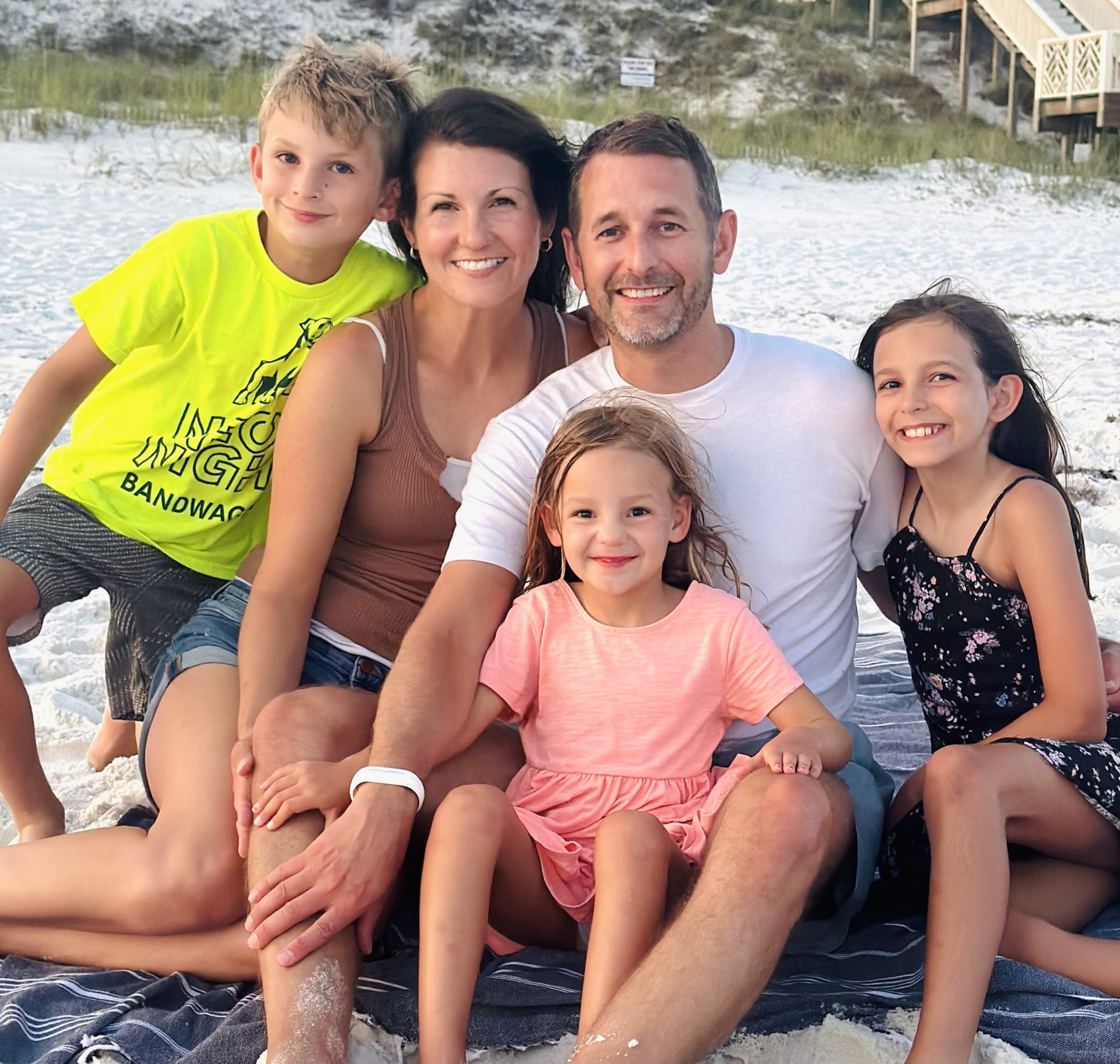
Sampson Dentistry is conveniently located on Shades Mountain in the heart of Hoover, Alabama. Dr. Sampson is a family man and believes in treating every one of his clients like family. We are a locally owned dental clinic in Hoover, Alabama.
Top Local General & Cosmetic Dental Clinic
Sampson Dentistry offers complete dental services for our clients including; cosmetic dentistry, crowns and bridges, partials, root canals, periodontics, TMJ/Headache therapy, implant restorations and teeth whitening.
Local Dental Provider Hoover, AL
We have been proudly serving the residents of Hoover Alabama for over 30 years. We know how to make our dental patients feel like family.
Our Shades Mountain dental practice located in Hoover Alabama has a laid back environment. We are a “judgement-free zone” where you are free to express any questions and concerns about your treatment options. Our mission is to help you to feel comfortable and to be your partner in achieving your dental goals.
When you visit Sampson Dentistry of Hoover AL, you can expect to receive excellent dental care in a friendly and inviting environment. Our dentist and dental team are dedicated to helping you and your family enjoy healthy smiles for life, and we offer a full range of treatments that are tailored to your individual needs, including sedation dentistry.
Hoover Alabama Dentist
Please contact our dental office today and schedule your first comprehensive dental consultation. We are proud to have served our community for the past couple of decades by providing comprehensive dentistry in Hoover, Alabama, and to those in the surrounding areas, including Jefferson and Shelby County, Alabama.
As your preferred dentist, we promise to strive for greatness in every dental appointment and we invite you to come experience our award winning, 5-star rated dental care. Call today to schedule your appointment with Dr. Sampson and learn more about our comprehensive dentistry in Hoover, Alabama.
We look forward to helping you care for your smile!

 Patient Testimonials
  Blog
Blog